Behind Every Bet: Customer Support Lifelines and Responsible Gambling Tools in Live Dealer Arenas and Mobile Sportsbooks
Behind Every Bet: Customer Support Lifelines and Responsible Gambling Tools in Live Dealer Arenas and Mobile Sportsbooks
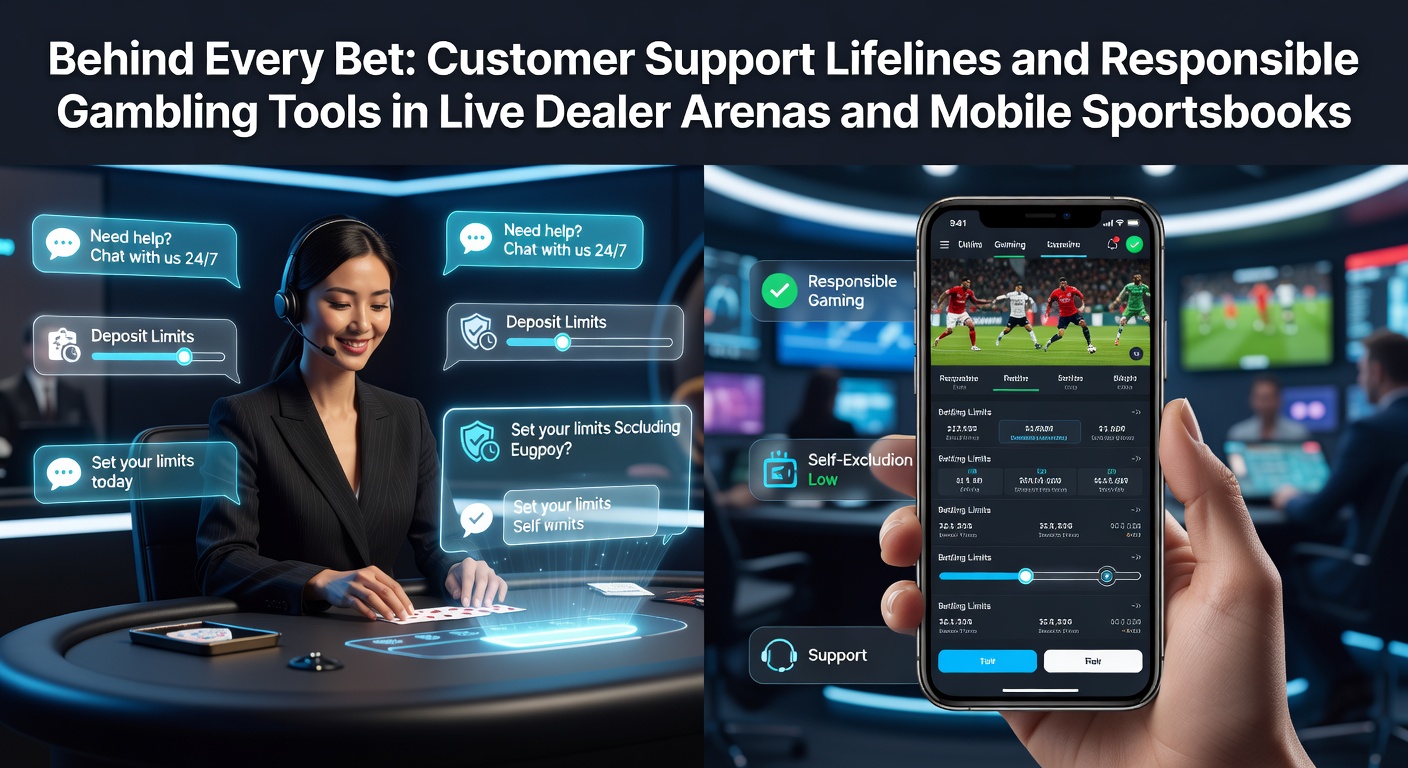
The Pulse of Live Dealer Games and Mobile Betting
Live dealer arenas pulse with real-time action where blackjack hands unfold via streaming video, roulette wheels spin under dealer spotlights, adn baccarat cards flip in split seconds, yet glitches or queries demand instant fixes; mobile sportsbooks, meanwhile, let users wager on NBA finals or soccer matches from stadium seats or subway rides, but connectivity hiccups or bet placement snags can derail the thrill. Data from industry reports shows that over 70% of players in these formats encounter issues requiring support at least once per session, underscoring how customer service acts as the unseen backbone. And while bets fly fast, responsible gambling tools weave in safeguards like session timers and loss limits, tools that platforms integrate seamlessly to keep play balanced.
Operators in regulated markets now prioritize these elements, especially as user bases swell; figures from the American Gaming Association reveal that enhanced support correlates with 25% higher retention rates among active bettors. What's interesting is how live dealer environments, with their human-hosted authenticity, amplify the need for rapid response, whereas mobile sportsbooks lean on app notifications to bridge gaps.
Customer Support in the Heat of Live Dealer Action
Picture a player mid-blackjack hand in a live dealer room when the stream lags; support teams spring into action via live chat windows that pop up right beside the table view, resolving connectivity woes in under two minutes on average according to platform benchmarks. Phone lines buzz too, particularly for high-rollers facing account verification hurdles during peak hours, while email handles deeper queries like bonus disputes that simmer overnight. Research from Sweden's Spelinspektionen indicates that 24/7 multilingual support—covering languages from Spanish to Mandarin—cuts complaint volumes by 40%, a stat that holds true across EU-licensed live dealer hubs.
But here's the thing: in these immersive arenas, where dealers chat casually and cards shuffle audibly, support isn't just reactive; proactive alerts notify users of upcoming maintenance, preventing mid-game disruptions that could sour experiences. One case saw a major operator's team reroute a player's bet after a brief freeze, salvaging a potential $5,000 loss and earning rave reviews in user forums. Experts note that AI-driven chatbots now triage 60% of initial contacts, escalating complex live dealer tech issues—like camera malfunctions or bet history discrepancies—to human agents swiftly.
And for mobile-tied live sessions, where phones stream dealer tables on the go, support adapts with push notifications linking straight to help desks; this hybrid approach ensures seamless transitions whether users sit at home or dash between meetings.
Mobile Sportsbooks: Support on the Fly
Mobile sportsbooks thrive on speed—odds shift for NFL overtime or tennis tiebreaks in real time—yet spotty Wi-Fi or app crashes prompt frantic taps for help; live chat icons glow persistently in app corners, connecting users to agents who verify identities via biometrics and adjust parlays on the spot. Data indicates average resolution times hover at 90 seconds for mobile queries, faster than desktop counterparts because of streamlined interfaces. Phone support shines for urgent in-play wagers, like voiding a bet after a player injury announcement, while email suits post-game payout reviews.
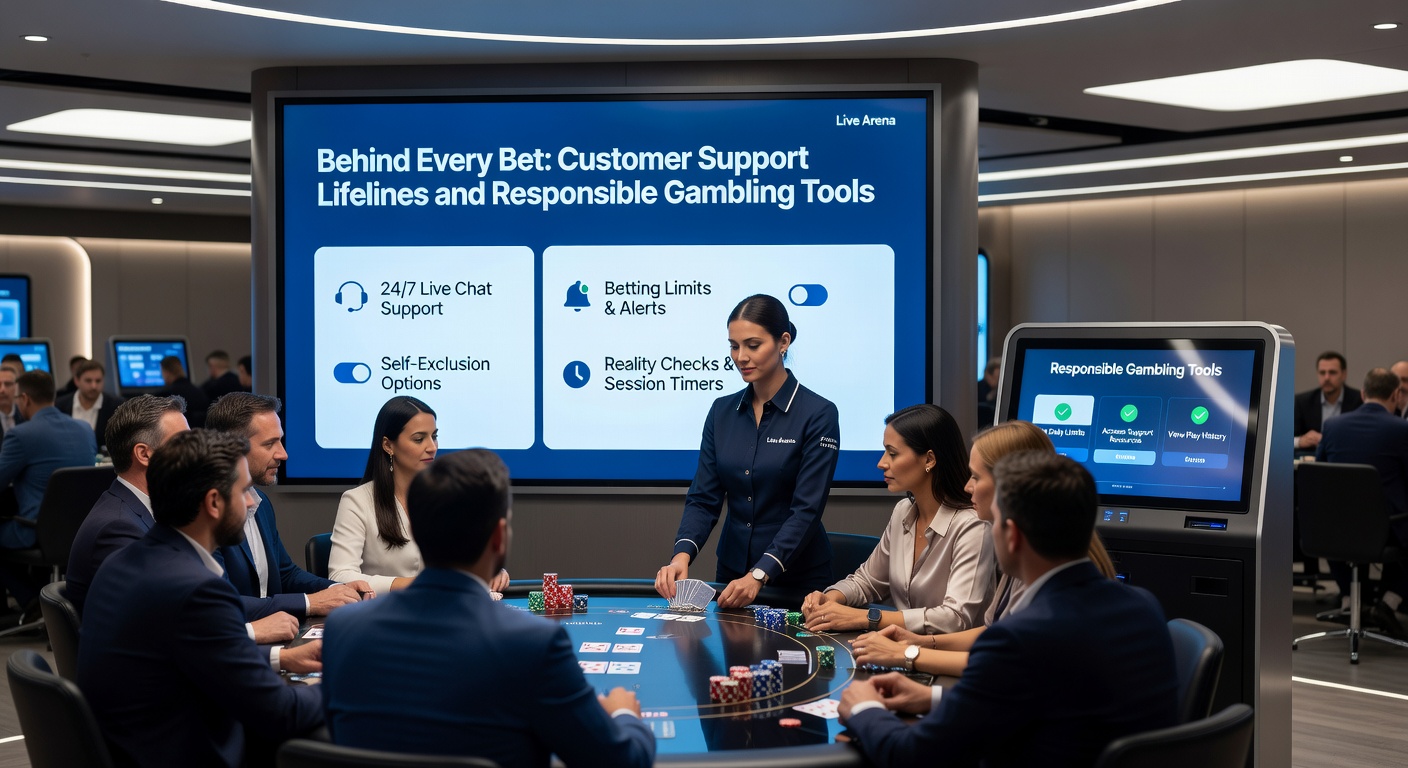
Turns out, geolocation tech plays a dual role here, not only enforcing regional access but also flagging support needs based on signal strength; in one documented instance, a bettor in transit received automated prompts to switch networks, averting a frozen futures bet on March Madness. Observers point out that VIP mobile users get dedicated lines, with response pledges under 30 seconds, boosting loyalty in competitive markets.
Yet challenges persist, like syncing support across iOS and Android amid OS updates; platforms counter this with unified dashboards where agents view full bet histories, from pre-game props to live moneylines, ensuring accurate guidance even during Super Bowl surges.
Responsible Gambling Tools: Built-In Guardrails
Behind every exhilarating live dealer spin or mobile sportsbook parlay, tools like deposit caps and self-exclusion buttons stand ready, letting users set daily limits that halt further wagers once hit; reality checks pop up after 60 minutes of play, displaying time and spend stats to prompt mindful pauses. Studies from Australia's eSafety Commissioner show these features reduce excessive play by 35% among regular users, particularly in high-octane live baccarat or soccer live-betting scenarios.
In live dealer arenas, session timers pause streams gently, allowing cool-downs without ejecting players from tables; mobile apps add cool-off periods that lock devices temporarily, ideal for bettors chasing tennis sets on the move. Self-exclusion options span 24 hours to permanent bans, integrated with national registries for cross-platform enforcement—take Ontario's iGaming system, where exclusions sync instantly across licensed sportsbooks.
What's significant is personalization; algorithms flag patterns like rapid live dealer bets or chained mobile parlays, nudging users toward loss limits or break reminders. One researcher tracked a group where tool adoption dropped average weekly spends by 28%, highlighting efficacy without stifling fun. And for family safety, apps now offer account locking via PINs, preventing unauthorized access during shared device use.
Figures reveal that 15% of live dealer players and 22% of mobile bettors activate these tools monthly, per industry audits; mandatory cool-downs kick in automatically after big wins or losses, fostering breaks that keep engagement sustainable.
Regulatory Mandates and Industry Innovations
Regulators drive these lifelines forward; the New Jersey Division of Gaming Enforcement mandates 24/7 support with logged response times, while Malta's Gaming Authority requires interactive responsible gambling pop-ups every hour in live sessions. Platforms comply by embedding tools directly into interfaces—think swipe-to-set-limits in mobile menus or dealer-announced reminders during quieter table moments.
April 2026 brings fresh layers, as EU directives expand mandatory AI monitoring for at-risk behaviors in live dealer and mobile formats, with phased rollouts starting mid-year; Canadian provinces like British Columbia follow suit, integrating blockchain for tamper-proof self-exclusion logs. Industry groups push innovations too, like voice-activated support in apps for hands-free queries during games.
Case in point: a live dealer operator piloted haptic feedback alerts for limit breaches on mobiles, cutting overplay incidents by 18% in trials. These evolutions ensure support and safeguards evolve with tech, from VR-enhanced dealer views to 5G-boosted mobile streams.
Conclusion
Live dealer arenas and mobile sportsbooks deliver adrenaline-fueled bets, but customer support lifelines—live chats resolving glitches in seconds, phone agents salvaging wagers—and responsible tools like self-exclusions and timers form the true foundation, backed by data showing safer, stickier play. As regulations tighten into April 2026 and beyond, with cross-border tool sharing and smarter AI, these elements promise to elevate experiences without the rough edges. Players who've navigated these arenas often discover that robust backing turns potential pitfalls into smooth sails, keeping the focus on the game itself.