Cross-Game Loyalty Transfers: Their Effects on Responsible Play in Digital Poker and Slots
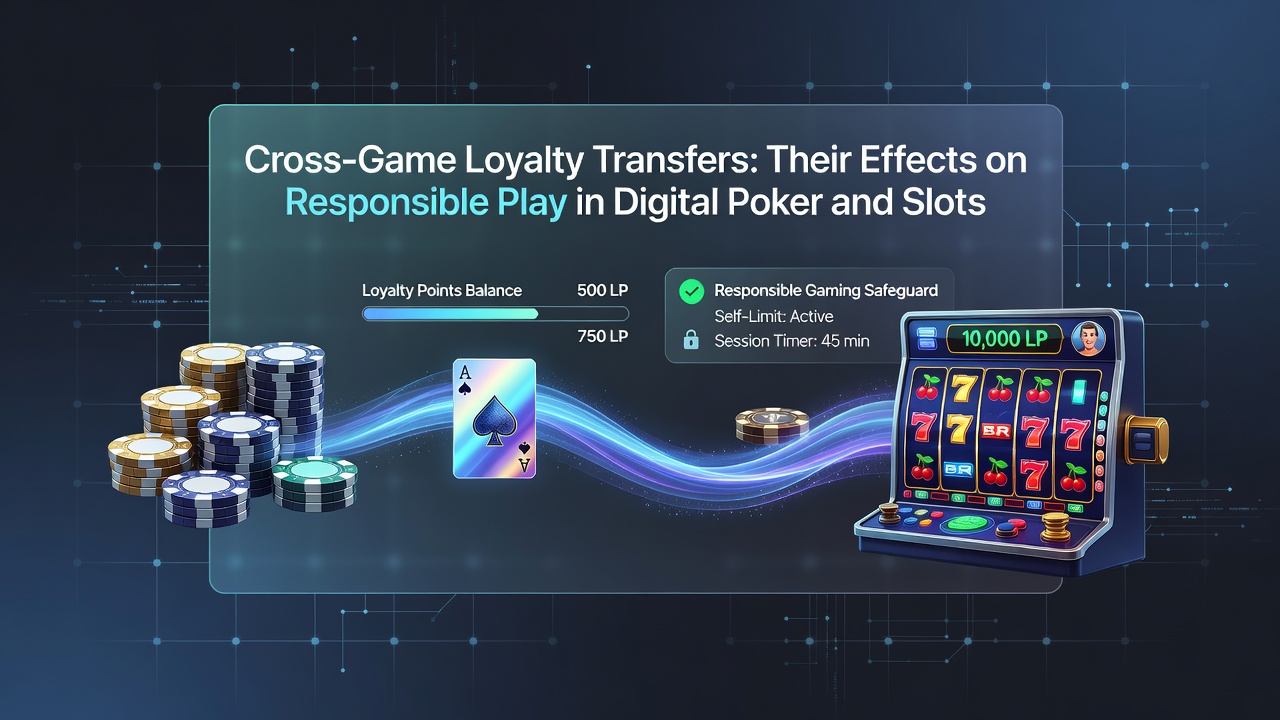
Digital gaming platforms have expanded loyalty programs that allow points earned in poker sessions to convert directly into credits usable on slot machines, and operators track these movements through integrated player accounts. Researchers have examined how such transfers influence session lengths and spending patterns across both game types, with data from multiple jurisdictions showing measurable shifts in player activity following the introduction of seamless point migration features.
How Loyalty Transfer Systems Operate in Practice
Platforms connect poker tables and slot libraries under unified reward structures where points accumulate from one category and convert at fixed ratios for use in the other, and these systems often sync with deposit tracking tools that record every transaction in real time. Players initiate transfers through account dashboards that display current balances alongside responsible play settings, while backend algorithms adjust point values based on game volatility and historical play volume. Data from June 2026 indicates continued growth in these interconnected systems across North American and European markets, with transaction logs revealing frequent movement between table games and reel-based titles.
Regulatory frameworks in several regions require operators to maintain separate ledgers for each game category even when points merge, and this separation supports compliance checks that verify whether transfers bypass established deposit or loss limits. Pennsylvania Gaming Control Board records demonstrate that platforms implementing cross-game options must log every conversion event with timestamps and player identifiers, which allows auditors to cross-reference activity against self-exclusion lists.
Impact on Player Behavior and Session Management
Studies conducted by academic teams at institutions in Canada and Australia have tracked changes in play duration after loyalty transfers became available, and results show that some participants extend sessions by moving points from slower-paced poker formats into faster reel games. These patterns appear because converted points remove friction associated with new deposits, yet the same data sets also indicate that players who set strict time or spend boundaries before transfers maintain those limits at similar rates to those without cross-game options.
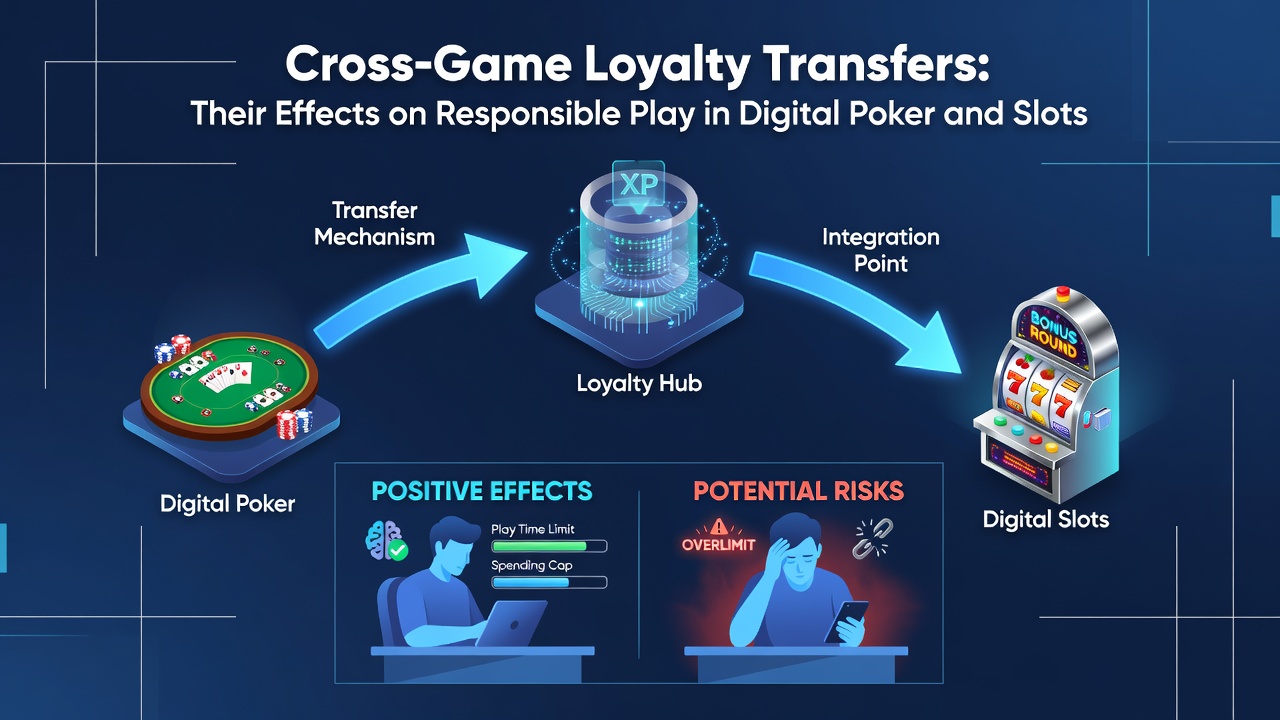
Behavioral monitoring tools integrated into these platforms flag unusual transfer volumes that exceed a player's established profile, and operators then prompt users to review current limits before proceeding. Figures from industry reports compiled in early 2026 reveal that platforms employing automated alerts tied to loyalty transfers recorded lower rates of limit overrides compared with systems lacking such prompts, suggesting that visibility into point movement can reinforce existing boundaries.
Regulatory and Technical Safeguards
Authorities in multiple jurisdictions mandate that loyalty transfer functions remain disabled for any account under a temporary or permanent exclusion order, and software vendors have developed APIs that block conversions once a restriction flag activates. The National Council on Problem Gambling has documented cases where seamless point migration coincided with increased requests for voluntary limits, prompting operators to embed confirmation screens that restate current exclusion status before any transfer completes.
Technical standards require encryption of all loyalty data during transfer and storage, while audit trails capture both successful and attempted conversions that violate active restrictions. Observers note that these measures align with broader requirements for transparent record-keeping across digital poker networks and slot environments, allowing regulators to verify that transfers do not circumvent the intent of responsible play protocols.
Patterns Observed Across Different Player Segments
Longitudinal data collected from platforms operating in multiple states shows that recreational participants tend to transfer smaller point quantities at irregular intervals, whereas higher-volume players execute larger conversions during extended sessions. Researchers have correlated these behaviors with deposit frequency, and the evidence indicates that players who previously maintained separate wallets for poker and slots sometimes consolidate activity once transfers become available.
Yet aggregate statistics from June 2026 reporting periods demonstrate no uniform increase in total wagering volume attributable solely to loyalty migration features, because many platforms simultaneously introduced stricter verification steps for large point movements. Industry analyses continue to examine whether these combined controls offset any potential for extended play that transfers might otherwise encourage.
Conclusion
Cross-game loyalty transfers represent an operational feature that links poker and slot ecosystems while operating under existing responsible play frameworks enforced by regulatory bodies and platform operators. Available data from multiple sources illustrate both the mechanics of point conversion and the safeguards designed to preserve deposit limits, time restrictions, and exclusion orders. Continued monitoring by academic and regulatory entities will clarify how these systems evolve alongside player management tools in the months ahead.