Decoding Algorithmic Personalization Effects on Bonus Tailoring Within Wireless Athletic Prediction Tools and Virtual Table Sessions
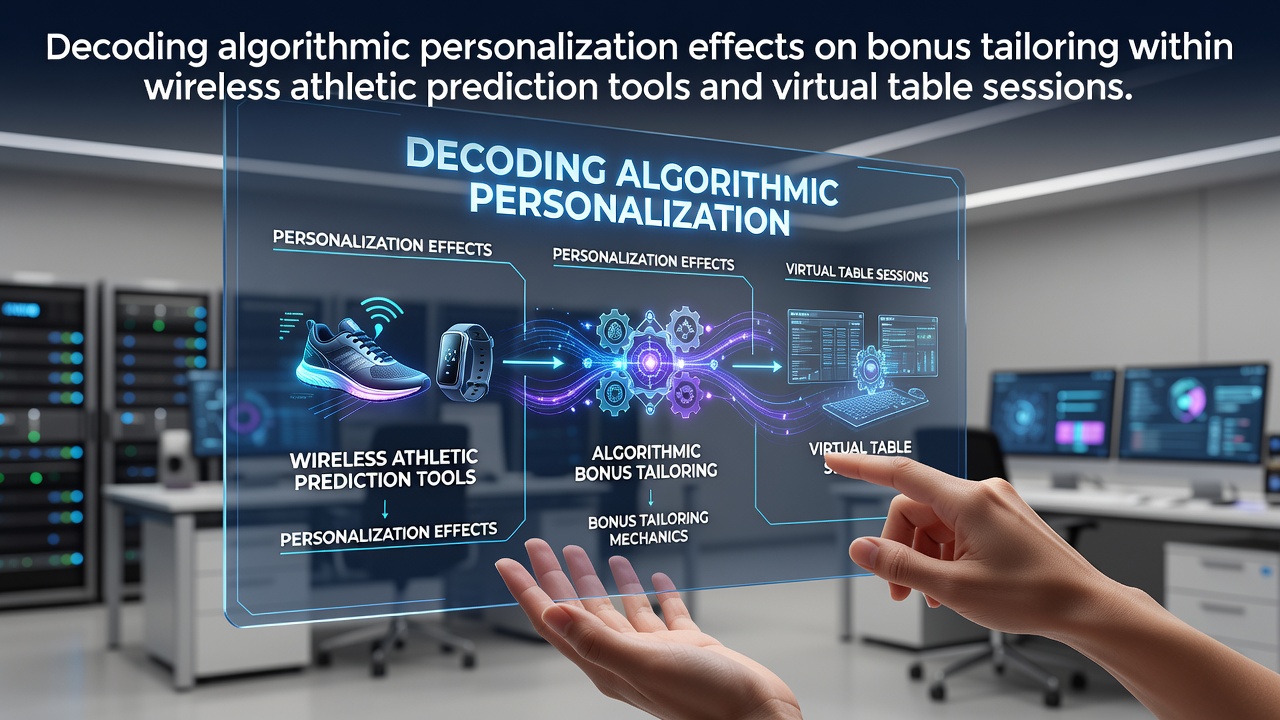
Wireless athletic prediction tools and virtual table sessions rely on algorithmic systems that analyze user data to adjust bonus structures in real time, and these mechanisms have expanded significantly by June 2026. Developers collect information on betting frequency, preferred sports markets, session duration, and game selection patterns before generating offers that match individual profiles.
How Personalization Algorithms Operate in Mobile Environments
Algorithms process signals from device interactions and historical activity to create bonus variations that differ from standard promotions. In athletic prediction applications, the system might detect a user who places wagers on specific leagues during evening hours and then deliver a deposit match tied to those markets rather than a generic offer. Virtual table platforms apply similar logic by tracking decisions such as bet sizing on blackjack or roulette spin frequency, which allows the software to propose free play credits aligned with those habits.
Research from the University of Nevada Reno Gaming Innovation Lab shows that machine learning models trained on anonymized session logs achieve higher conversion rates when bonuses reflect granular behavior data. The models update continuously, which means an offer presented during one login can differ from the next based on new activity recorded since the previous session.
Data Inputs That Shape Tailored Offers
Key variables include deposit amounts over the past thirty days, average stake per bet, time spent in particular game categories, and response rates to earlier promotions. Athletic prediction tools often incorporate external factors such as live odds fluctuations and team performance metrics to refine the timing of bonus delivery. Virtual table interfaces add layers such as hand count per hour and chosen table limits to refine reward parameters.
Industry reports released in June 2026 by the European Gaming and Betting Association indicate that platforms using these layered inputs recorded a measurable rise in repeat logins compared with static bonus systems. The data also revealed that users who received personalized free spins or cashback on virtual tables completed more sessions per week than those presented with uniform promotions.
Impact on User Engagement and Platform Metrics
Personalized bonuses correlate with changes in session length and deposit frequency across both categories of applications. Athletic prediction users who receive tailored accumulator boosts tend to extend their time on the platform during major events, while virtual table participants who obtain matched play credits aligned with their preferred stakes show increased retention over monthly periods.
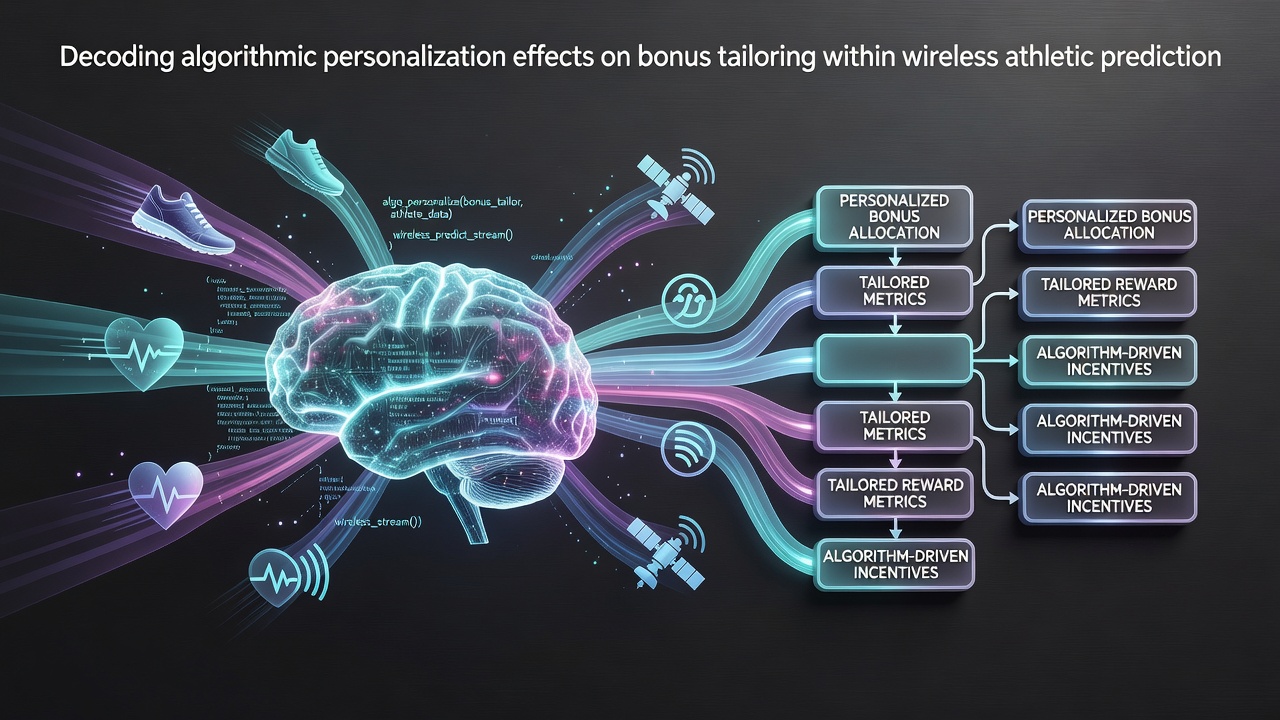
Platform operators track these outcomes through A/B testing frameworks that compare control groups receiving standard offers against test groups exposed to algorithm-generated variations. Results from multiple operators demonstrate that tailored incentives reduce the interval between deposits in many cases, although the magnitude varies by region and user segment.
Regulatory and Technical Considerations
Regulatory bodies in several jurisdictions require operators to maintain transparency around how personalization algorithms function. Documentation must explain which data points influence bonus eligibility and how users can access or adjust their profiles. Technical standards also mandate audit trails that allow oversight of model decisions to prevent unintended exclusion of certain player groups.
Developers integrate these requirements by building modular systems where bonus rules remain separate from core prediction or game engines. This separation enables rapid updates to compliance parameters without disrupting the underlying algorithmic logic that drives personalization.
Cross-Platform Interactions and Future Developments
Many applications now share user preference data across athletic prediction and virtual table modules within the same ecosystem, which allows a single profile to inform offers in both environments. A user who receives a sports-related cashback might later see a complementary table game credit that reflects the same spending pattern.
Technical advancements expected through the remainder of 2026 include deeper integration of contextual signals such as device location and network conditions, although implementation remains subject to regional data protection rules. Observers note that continued refinement of these systems depends on balancing engagement objectives with requirements for fair access and clear disclosure.
Conclusion
Algorithmic personalization in wireless athletic prediction tools and virtual table sessions continues to evolve through refined data processing and regulatory oversight. The mechanisms that tailor bonuses rely on detailed behavioral inputs and produce measurable differences in platform usage patterns. As systems advance, operators maintain focus on compliance frameworks that support transparent operation across mobile environments.