How Interconnected Gaming Networks Transform Progressive Jackpot Mechanics Across Digital Platforms
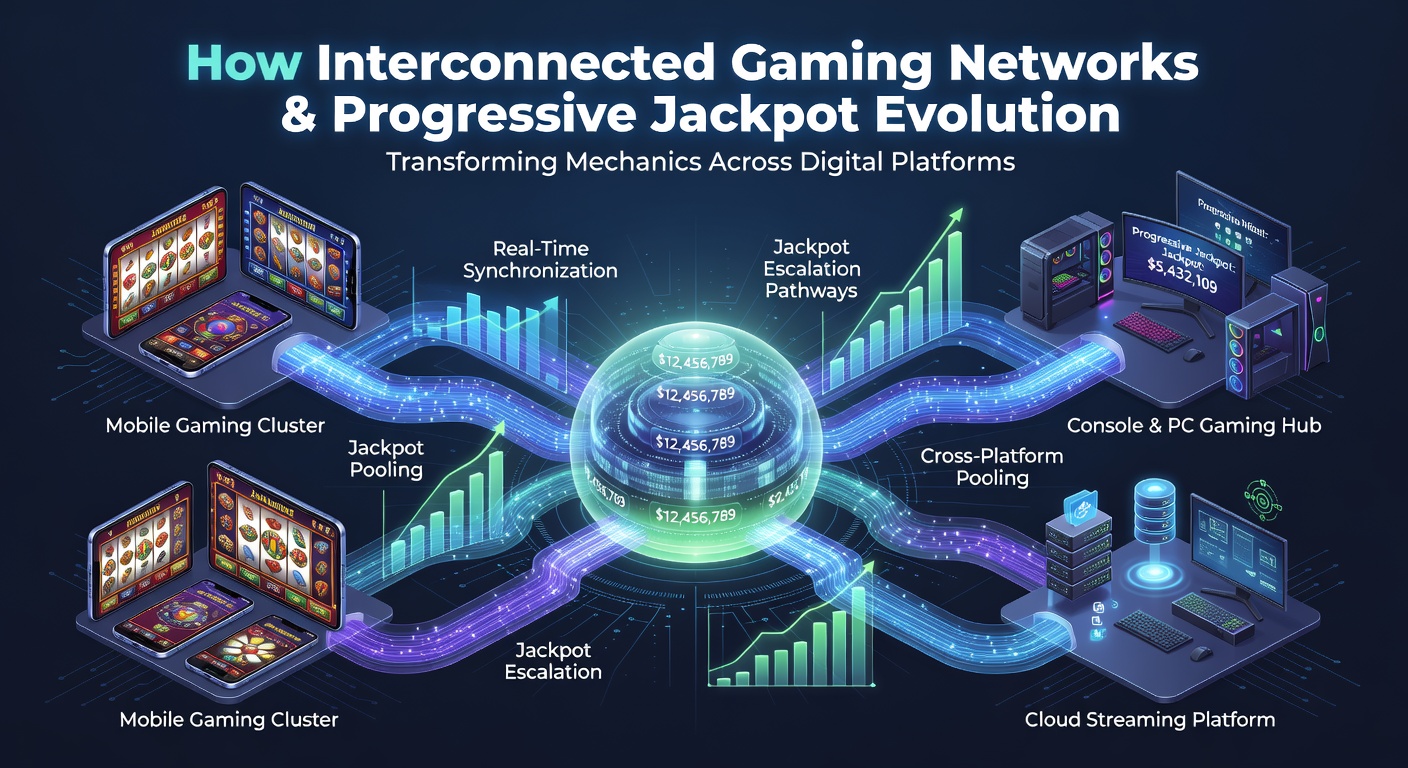
Progressive jackpots have long pooled small contributions from individual wagers into growing prize pools, yet interconnected gaming networks now link these systems across separate platforms, operators, and device types to create shared prize structures that scale faster and reach wider audiences. Data from industry reports shows contribution percentages typically range from 0.5 to 2 percent of each qualifying bet, and network integration multiplies the number of active players feeding into the same pool without requiring users to switch sites manually.
Traditional Progressive Structures Versus Networked Models
Standalone progressive slots once operated in isolation where a single machine or casino server collected contributions until a random trigger or specific combination awarded the accumulated total. Networked versions connect multiple games from different providers through centralized servers that synchronize jackpot meters in real time, so a bet placed on a mobile slot in one region instantly updates the displayed total visible to players on desktop or tablet interfaces elsewhere. Researchers at the University of Nevada Reno documented how these shared pools can accumulate contributions from tens of thousands of simultaneous sessions rather than hundreds, leading to jackpot values that climb into seven or eight figures within days instead of weeks.
Contribution mechanics remain consistent in percentage terms, but the scale changes because networks aggregate data streams from licensed operators across jurisdictions. A player in a European market contributes to the same meter as someone using an Australian-facing platform, provided the network operator maintains compliance with each region's licensing rules. This aggregation accelerates meter growth while maintaining the core rule that only bets on designated progressive games feed the pool.
Real-Time Synchronization and Cross-Platform Triggers
Modern networks employ API connections and cloud-based ledgers to push meter updates every few seconds, eliminating the lag that once existed between separate casino systems. When a qualifying spin occurs on any linked game, the system evaluates the outcome against the shared random number generator or mystery trigger threshold, then distributes the win notification across all participating platforms within moments. Observers note that this synchronization reduces discrepancies in displayed amounts and prevents situations where one platform shows an outdated figure while another has already processed a partial payout.
Impact on Player Participation Patterns
Figures from the Nevada Gaming Control Board indicate that interconnected progressives draw higher average session lengths because visible meter growth creates visible momentum that encourages continued play. Players often monitor several linked titles simultaneously through unified lobbies or companion apps, shifting between games when one meter reaches a psychologically significant threshold. This behavior spreads across time zones, sustaining contribution flow around the clock as peak hours in one region overlap with off-peak activity in another.
Seed Funding and Reset Protocols in Shared Environments
Seed amounts in networked jackpots typically start higher than standalone versions because operators spread the initial funding across multiple partners, yet each contributor recoups its share through ongoing rake or contribution fees once the pool exceeds the reset level. Reset protocols now incorporate tiered structures where minor, major, and grand levels coexist within the same network, allowing smaller wins to reset lower tiers while the grand level continues accumulating. Industry analyses reveal that these layered resets maintain engagement by delivering frequent smaller payouts that keep meters visible without depleting the primary pool entirely.
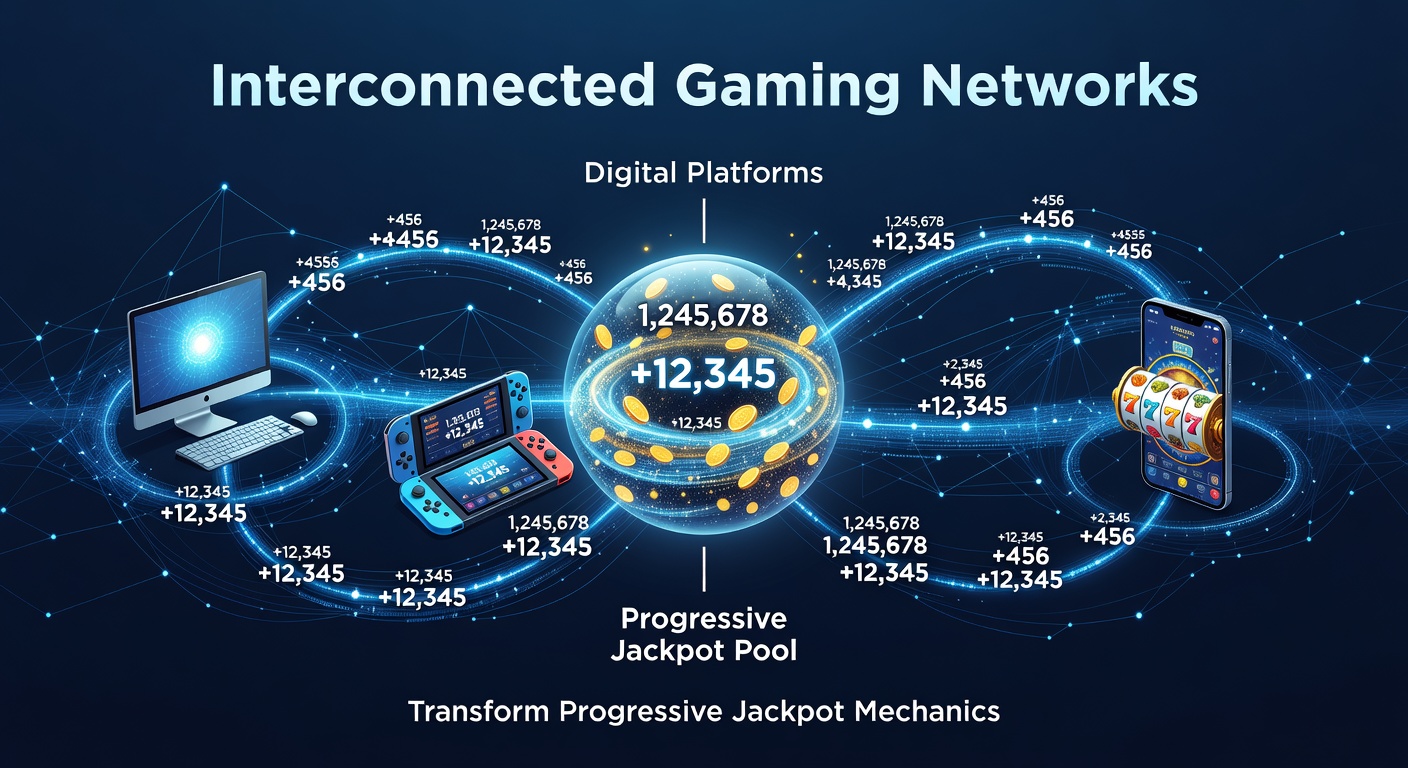
Security protocols require cryptographic verification of each contribution and win event to prevent tampering across the distributed nodes. Audits conducted by independent testing labs confirm that seed injections and contribution tracking align with regulatory standards in participating jurisdictions. As of May 2026, several major networks have expanded into additional Latin American markets, adding new player bases that further accelerate pool growth rates reported in quarterly operator filings.
Regulatory Oversight Across Multiple Jurisdictions
Operators must satisfy separate licensing requirements for each territory while maintaining a single shared jackpot ledger, which demands transparent reporting of contribution sources and win distributions. The Malta Gaming Authority requires detailed logs showing the geographic origin of each bet feeding the pool, whereas Canadian provincial regulators focus on ensuring that local players receive proportional access to the full prize without cross-border restrictions on eligibility. These overlapping rules create technical requirements for geo-fencing and segmented accounting that networks handle through modular compliance modules.
What's interesting is how these systems handle currency conversion and tax withholding in real time, automatically adjusting displayed amounts and final payouts according to the winner's location. Data exchanges between operators and regulators occur through standardized formats that allow verification without exposing proprietary game algorithms.
Technological Infrastructure Enabling Scale
Backend architectures rely on distributed ledger technology and high-availability server clusters to process thousands of transactions per second while keeping meter displays synchronized. Redundancy measures ensure that a temporary outage in one region does not halt contributions or corrupt the running total. Software providers release regular updates that introduce new linked game titles without resetting existing meters, preserving accumulated value for players who have followed the pool's progress over time.
Those who've studied network performance metrics find that latency under 500 milliseconds for meter updates correlates with higher player retention across linked platforms. Machine learning models now predict peak contribution periods and adjust server allocation accordingly, maintaining smooth operation even during major promotional events that drive temporary traffic spikes.
Conclusion
Interconnected gaming networks have shifted progressive jackpot mechanics from isolated accumulation to synchronized, multi-platform systems that scale through aggregated player bases and real-time data sharing. Current implementations as of May 2026 demonstrate measurable increases in pool velocity and cross-jurisdictional participation while adhering to segmented regulatory frameworks. Continued expansion into emerging markets and refinement of synchronization technologies will likely sustain this evolution, allowing jackpot totals to reach new thresholds as more platforms integrate into shared environments.