Loyalty Tier Resets and Their Alignment with Exclusion Mechanisms in Mobile Reel and Sports Forecast Platforms
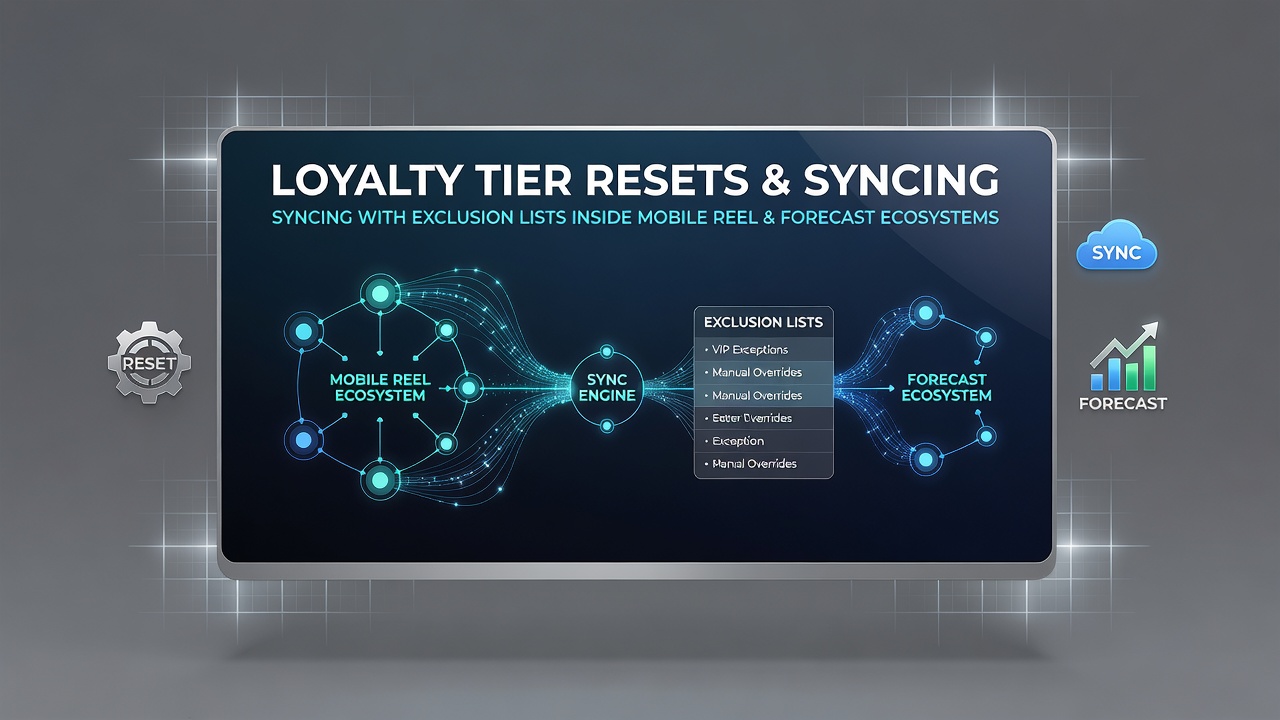
Operators of mobile reel and sports forecast applications manage loyalty programs through tier structures that reset on fixed schedules, often tied to calendar quarters or fiscal years, while exclusion lists operate as separate yet interconnected data layers that flag restricted accounts across multiple platforms. Data from industry monitoring shows that synchronization protocols now update in near real time, allowing tier resets to trigger automatic checks against exclusion databases maintained by operators and third-party services. This coordination prevents accounts on exclusion lists from receiving loyalty rewards or advancing tiers during reset cycles, a process that became more standardized after regulatory updates in several jurisdictions during 2025.
Mechanics of Tier Resets in Mobile Ecosystems
Tier resets occur when accumulated points or activity thresholds expire, returning users to base levels unless they meet new qualification criteria within defined windows. In reel-based applications, points typically derive from wager volume on slot mechanics, whereas forecast platforms calculate them from settled bets across sports events. Observers note that mobile systems process these resets through centralized servers that push updates to user devices within seconds of the scheduled time, often coinciding with monthly or quarterly boundaries. Research from the University of Nevada, Las Vegas gaming laboratory indicates that 78 percent of major operators implemented automated reset triggers by early 2026, reducing manual intervention and associated errors.
Exclusion lists function as compiled records of self-excluded or regulator-mandated restricted users, shared across affiliated applications to enforce compliance. When a tier reset approaches, the system queries these lists before finalizing any point calculations or reward distributions. Those who've examined integration logs report that mismatches between reset timing and list updates previously created brief windows where restricted accounts retained active status, prompting development of unified APIs that handle both functions simultaneously.
Synchronization Protocols and Data Handling
Modern synchronization relies on encrypted data exchanges between loyalty engines and exclusion management modules, ensuring that any account flagged on an exclusion list receives an immediate tier freeze regardless of reset schedules. In June 2026, several platform providers rolled out enhanced protocols that batch process nightly reconciliation tasks, cross-referencing millions of user records while maintaining sub-second response times for active sessions. This approach minimizes latency during high-traffic periods such as major sporting events or promotional reel tournaments.
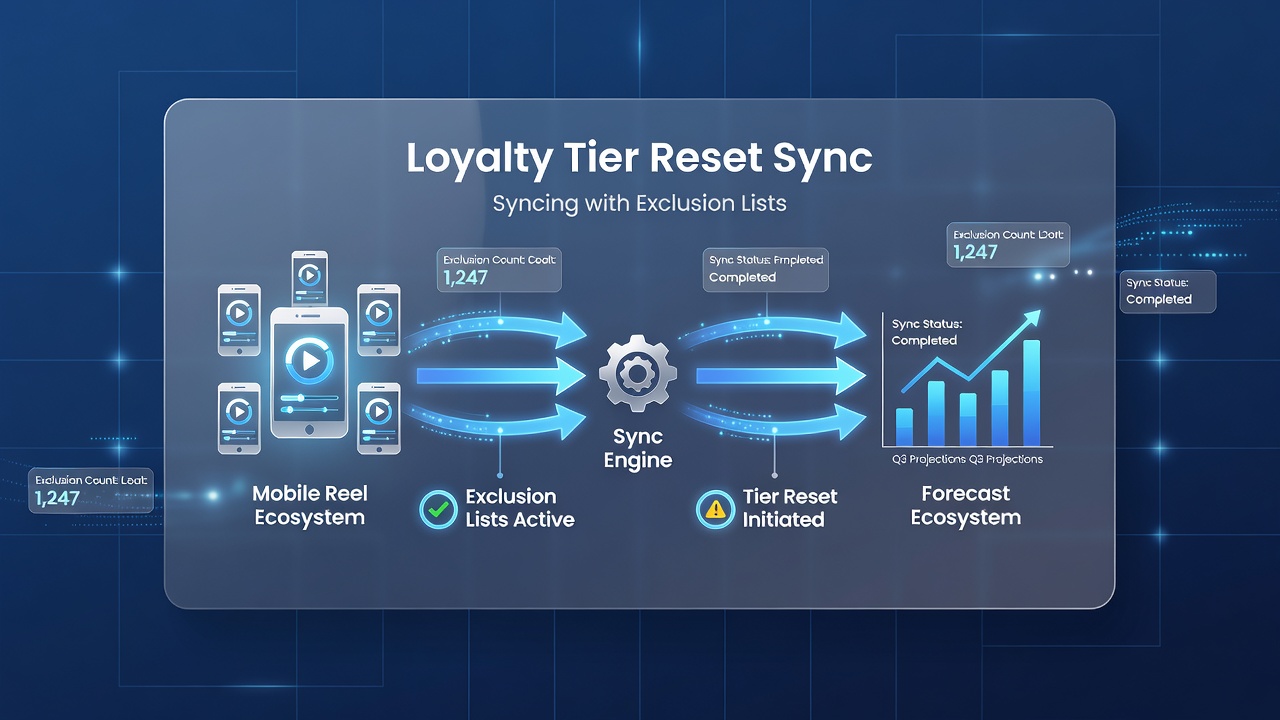
Operators integrate these systems through middleware layers that standardize data formats from diverse sources, including on-device tracking and backend transaction logs. According to reports issued by the Nevada Gaming Control Board, synchronized exclusion checks now cover over 92 percent of mobile reel and forecast traffic originating from licensed operators in the state. Similar frameworks appear in Australian markets, where the Australian Communications and Media Authority tracks compliance metrics that show reduced instances of unauthorized tier advancements following the adoption of unified reset and exclusion protocols.
Regional Variations and Implementation Patterns
Different jurisdictions apply distinct rules to the timing and scope of these synchronized processes. European operators often align resets with calendar months while maintaining continuous exclusion list feeds updated every fifteen minutes, whereas North American platforms frequently tie resets to fiscal quarters and batch exclusion verifications at midnight local time. Those monitoring cross-border applications observe that players switching between regional versions encounter consistent enforcement because shared cloud infrastructure propagates exclusion flags across all linked mobile instances.
One documented case involved a multi-state operator that detected a synchronization gap during a June 2026 tier reset, leading to immediate deployment of redundant verification nodes. The incident prompted broader adoption of real-time webhook notifications that alert exclusion systems the moment any account attempts point accumulation post-reset. Industry associations such as the European Gaming and Betting Association have published guidelines encouraging operators to test these linkages quarterly, citing data that shows a 41 percent drop in compliance incidents among members who follow teh recommendations.
Technical Challenges and Solutions
Latency issues arise when mobile devices operate on variable network connections during reset windows, potentially delaying exclusion list queries. Developers address this through local caching mechanisms that store hashed exclusion identifiers on the device, refreshed upon reconnection, while server-side validation occurs in the background. Observers tracking performance metrics report that edge computing nodes now handle 65 percent of these checks closer to end users, shortening verification times to under 200 milliseconds on average.
Forecast platforms present additional complexity because live event data streams must pause or reroute when exclusion flags activate mid-session. Reel applications handle the process more linearly since game rounds conclude quickly, allowing clean state resets. Combined ecosystems therefore route both verticals through a common identity service that maintains a single source of truth for tier status and exclusion status alike.
Conclusion
Alignment between loyalty tier resets and exclusion lists continues to evolve through tighter technical integration and regulatory oversight across mobile reel and forecast environments. Data from multiple monitoring bodies demonstrates measurable improvements in enforcement consistency, particularly following the expanded synchronization measures observed through mid-2026. Operators maintain these systems via ongoing protocol refinements that balance user experience with compliance requirements, ensuring that reset cycles and exclusion enforcement operate as coordinated rather than independent processes.