Payment Verification and Self-Exclusion Integration in Digital Poker and Sportsbooks
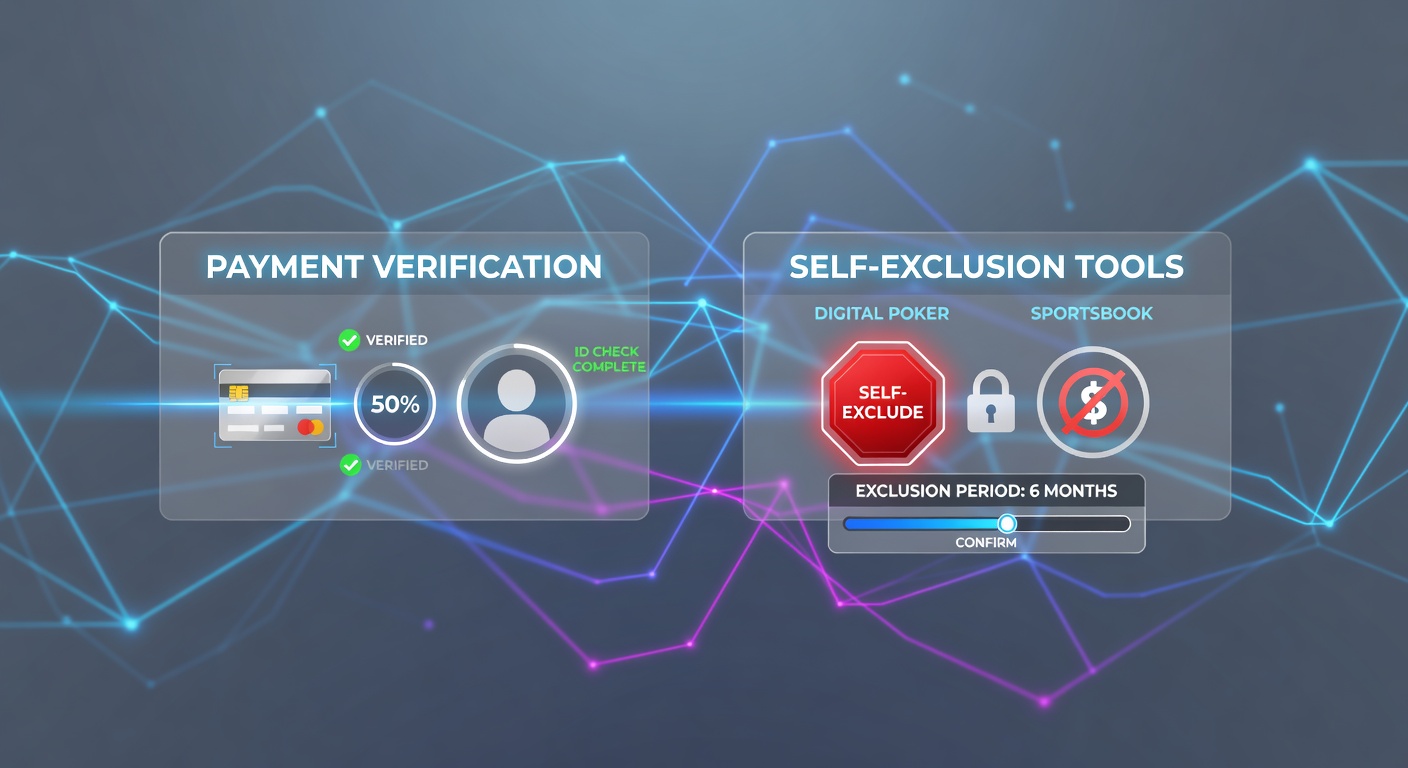
Payment verification processes have become tightly linked with self-exclusion tools in digital poker rooms and sportsbook platforms because operators must confirm user identity while also honoring exclusion requests that block account access and financial transactions. These systems operate across mobile apps and desktop sites where players deposit funds for poker tournaments or place wagers on sports events and the verification step often includes cross-checks against national or operator-maintained exclusion databases.
Core Components of Payment Verification
Operators collect documents such as government-issued IDs, proof of address, and bank statements during the initial account setup or when withdrawal limits are reached and automated systems scan these materials for consistency with user-provided details. In poker environments where multiple small transactions occur during tournament buy-ins verification routines run in real time to prevent use of stolen cards or mismatched accounts while sportsbook platforms apply similar checks when users fund betting wallets ahead of live events. Data from regulatory filings show that verification completion rates improved steadily through 2025 and into June 2026 as more platforms adopted biometric matching alongside traditional document review.
Mechanics of Self-Exclusion Programs
Self-exclusion tools allow individuals to request temporary or permanent removal from gaming sites and the requests feed into centralized registries that participating operators must consult before approving new accounts or reactivating old ones. In digital poker settings these lists prevent excluded players from entering cash games or tournaments whereas sportsbook operators block both deposits and bet placements once an exclusion flag appears. Researchers at academic institutions tracking behavioral data note that exclusion periods range from six months to lifetime bans and many jurisdictions require operators to maintain records of every verification attempt that intersects with an active exclusion entry.
Intersection Points in Transaction Flows
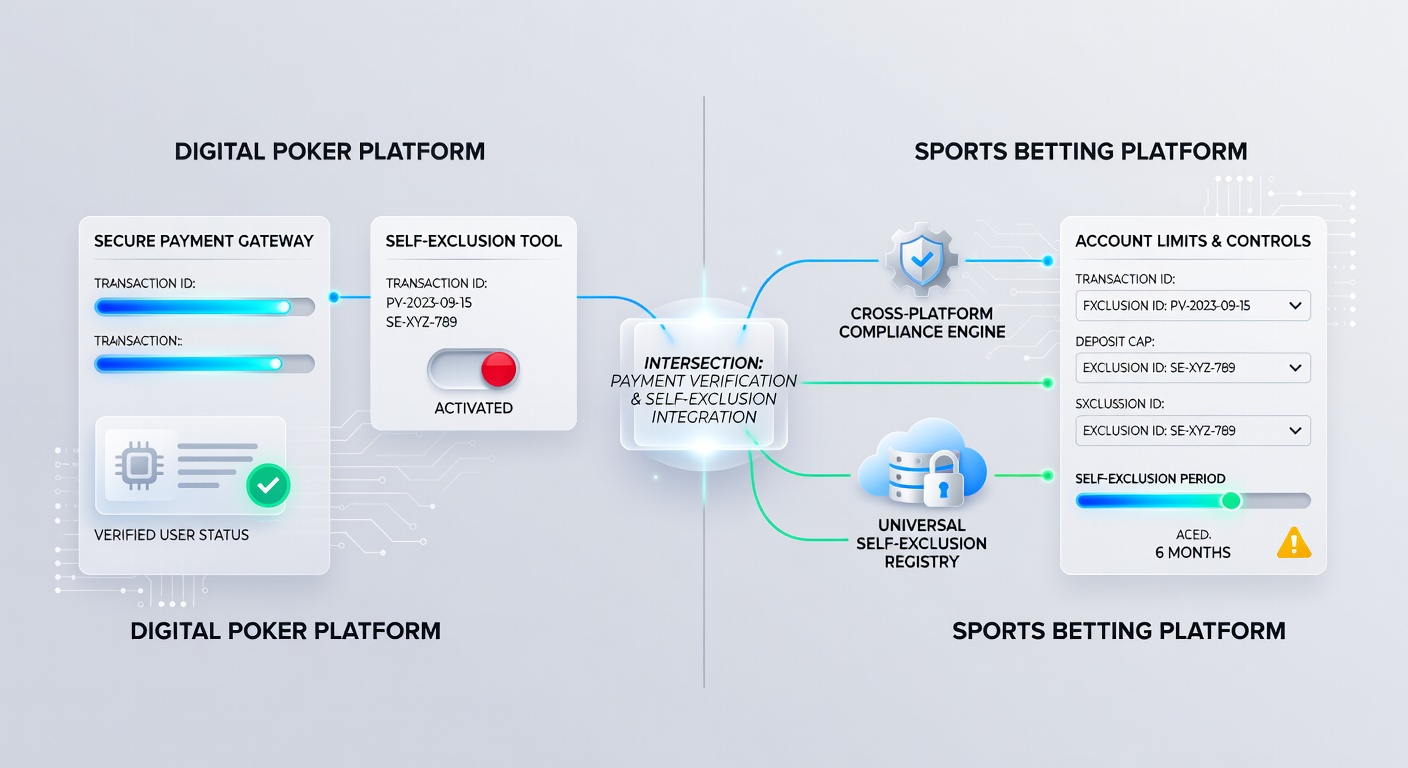
When a user attempts a deposit the payment gateway first validates card or e-wallet details and then queries the self-exclusion database in the same sequence before funds reach the gaming balance. This dual check occurs in milliseconds yet creates a clear decision point where an active exclusion halts the transaction and triggers an automated notification to the user. Poker platforms often see higher volumes of micro-transactions during multi-table sessions so verification systems there flag repeated attempts from excluded accounts more frequently than single large deposits common in sportsbook wallets. Observers note that failed transactions due to exclusion matches generate compliance logs that operators submit to oversight bodies and these records help regulators assess whether platforms enforce exclusion rules consistently across product verticals.
Regional Regulatory Approaches
Standards differ by jurisdiction yet share the requirement that verification and exclusion systems communicate directly. The Malta Gaming Authority requires operators licensed under its framework to integrate exclusion lists into every payment processor and similar rules appear in Canadian provincial frameworks where iGaming Ontario publishes aggregated statistics on exclusion-related transaction blocks. In Australia the National Consumer Protection Framework sets minimum standards for identity checks that must align with state-based exclusion registers and reports released in early 2026 indicated rising numbers of blocked deposits attributed to these integrated controls. Industry groups such as the European Gaming and Betting Association have published guidance documents that encourage standardized API connections between verification providers and exclusion registries so that updates propagate across platforms without manual intervention.
Technical Implementations and Data Sharing
Modern platforms rely on encrypted APIs that allow payment processors to receive exclusion status without exposing full user profiles and this architecture supports real-time decisions during poker deposits or sportsbook stake placements. Some operators employ machine-learning models that predict patterns of repeated verification attempts from previously excluded accounts and these models trigger additional manual reviews. Figures released by research institutions tracking digital gambling show that integrated systems reduced unauthorized access attempts by measurable percentages between 2024 and June 2026 particularly in markets where multiple operators share a common exclusion database. Take one case where experts examined a European operator network and found that linking verification timestamps with exclusion flags allowed faster identification of accounts attempting to circumvent bans through new payment methods.
Challenges in Multi-Platform Environments
Poker networks that operate across several skins must synchronize exclusion data so that a ban on one site prevents activity on others while sportsbook operators face additional complexity when users hold both casino and sports wallets. Payment verification failures tied to exclusion matches require clear communication to users and many platforms display standardized messages directing individuals toward responsible gambling resources. Data indicates that the volume of such messages increased during major sporting events in 2025 and 2026 when deposit traffic spikes and operators report that maintaining accurate exclusion lists remains an ongoing operational priority. Those who have studied transaction logs across regions observe that mismatches between verification records and exclusion databases occasionally arise from timing delays in data updates yet automated reconciliation routines now minimize these gaps.
Conclusion
Payment verification and self-exclusion tools function as interconnected safeguards that shape user access in digital poker and sportsbook settings. Their integration ensures identity confirmation occurs alongside exclusion enforcement and regulatory frameworks in multiple jurisdictions continue to refine the technical standards governing these processes. As platforms evolve through 2026 the emphasis remains on seamless data exchange that respects both financial security requirements and individual exclusion choices.