Shadows in the Reels: How Ambient Sound Layers Steer Session Pacing Across Digital Card Tables and Prediction Markets
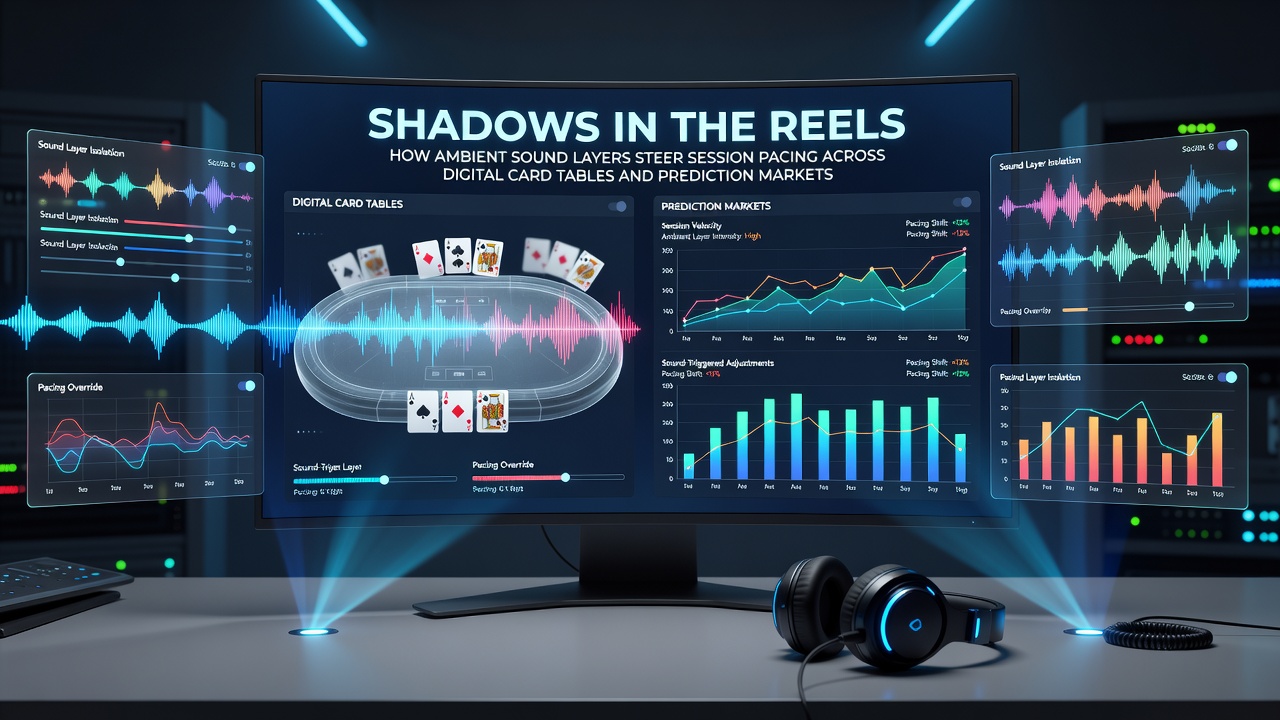
Ambient sound layers have become a standard feature in digital card tables and prediction markets where operators use subtle audio elements to influence how users manage their time and decisions during sessions. These layers typically include low-frequency drones, intermittent chimes, and environmental textures that blend into the background while shaping the rhythm of bets and market entries. Platforms deploy these sounds through real-time audio engines that adjust volume and intensity based on user activity logs, and data collected across multiple operators shows measurable shifts in average session duration when these layers remain active.
Audio Design Mechanics in Card Table Sessions
Digital card tables rely on layered soundscapes that combine static room tones with dynamic triggers tied to card reveals and betting rounds. A continuous low hum might sit beneath higher-pitched accents that rise only during decision windows, and this structure encourages players to linger between hands rather than exit immediately after a loss. Operators calibrate these elements using player telemetry that tracks click rates and hesitation intervals, allowing the system to slow or accelerate pacing without altering game rules. In July 2026 several major platforms reported integration of adaptive audio modules that respond to individual device sensors, creating consistent experiences whether users access tables through desktop clients or mobile applications.
Influence on Prediction Market Timing
Prediction markets apply similar techniques but focus on event timelines instead of hand-by-hand flow. Ambient layers often feature distant crowd murmurs or market-ticker pulses that align with the opening and closing of betting windows, and these cues help users maintain engagement across multiple concurrent forecasts. When volume swells gradually before a market resolution, participants tend to extend their presence to monitor outcomes rather than close positions early. Industry reports from the Australian Gambling Research Centre indicate that platforms incorporating these timed audio increases recorded higher retention rates during multi-hour events compared with silent interfaces.
Technical Implementation Across Platforms
Developers build these sound systems on middleware that separates base tracks from event-driven overlays, enabling independent volume scaling for each layer. Card table applications frequently synchronize audio with animation frames so that chip stacks and card flips generate micro-sounds that reinforce the primary ambient bed. Prediction market interfaces instead tie audio events to external data feeds, such as live score updates or poll releases, which keeps the soundscape responsive to real-world developments. Both approaches require careful mixing to prevent listener fatigue, and engineers test configurations across large user cohorts before full deployment.

Observed Patterns in User Behavior Data
Analytics from multiple operators reveal consistent correlations between specific sound profiles and session pacing metrics. Sessions conducted with active ambient layers show extended intervals between consecutive actions, particularly in mid-session phases when users might otherwise disengage. Card table environments demonstrate stronger effects during heads-up play, whereas prediction markets register larger shifts when several overlapping events run simultaneously. Researchers at the University of Nevada's International Gaming Institute have documented these patterns through anonymized platform logs, noting that the timing of audio intensity changes aligns closely with peaks in user retention curves.
Cross-device studies further indicate that mobile sessions respond more readily to spatial audio adjustments than desktop ones, likely because portable speakers deliver sound in closer proximity to the listener. This difference prompts developers to apply distinct mixing presets depending on detected hardware, ensuring the pacing influence remains stable regardless of access method.
Regulatory and Compliance Considerations
Regulatory bodies in various jurisdictions require operators to maintain transparency around design features that affect user behavior. The Nevada Gaming Control Board, for instance, includes audio system specifications in its technical standards documentation, and similar guidelines appear in reports issued by the Canadian Gaming Association. Compliance teams review sound layer configurations during periodic audits to confirm they do not introduce elements that could conflict with responsible gaming protocols already embedded in the software. These reviews typically examine whether audio cues coincide with deposit prompts or time-limit notifications, and adjustments are made when overlap exceeds defined thresholds.
Future Developments in Audio Layering
Emerging implementations explore machine-learning models that predict optimal sound adjustments based on historical session data for each account. Early tests conducted in controlled environments show these models can fine-tune layer intensity within milliseconds of detecting behavioral shifts, and the resulting pacing changes appear more granular than static schedules allow. Integration with wearable device APIs may extend this capability further by incorporating biometric signals into the decision process, although such features remain under evaluation by several testing laboratories as of mid-2026.
Conclusion
Ambient sound layers function as structural components within digital card tables and prediction markets by modulating the temporal experience of users through carefully engineered audio progressions. Data gathered from operational platforms and independent research groups demonstrates measurable impacts on session pacing that operators continue to refine through iterative testing and regulatory oversight. As technical capabilities advance, these audio systems are expected to integrate additional contextual inputs while remaining subject to existing compliance frameworks across major markets.