Shifting Avatar Ecosystems and Their Quiet Role in Guiding Strategy Tweaks During Extended Mobile Table Sessions and Forecast Apps
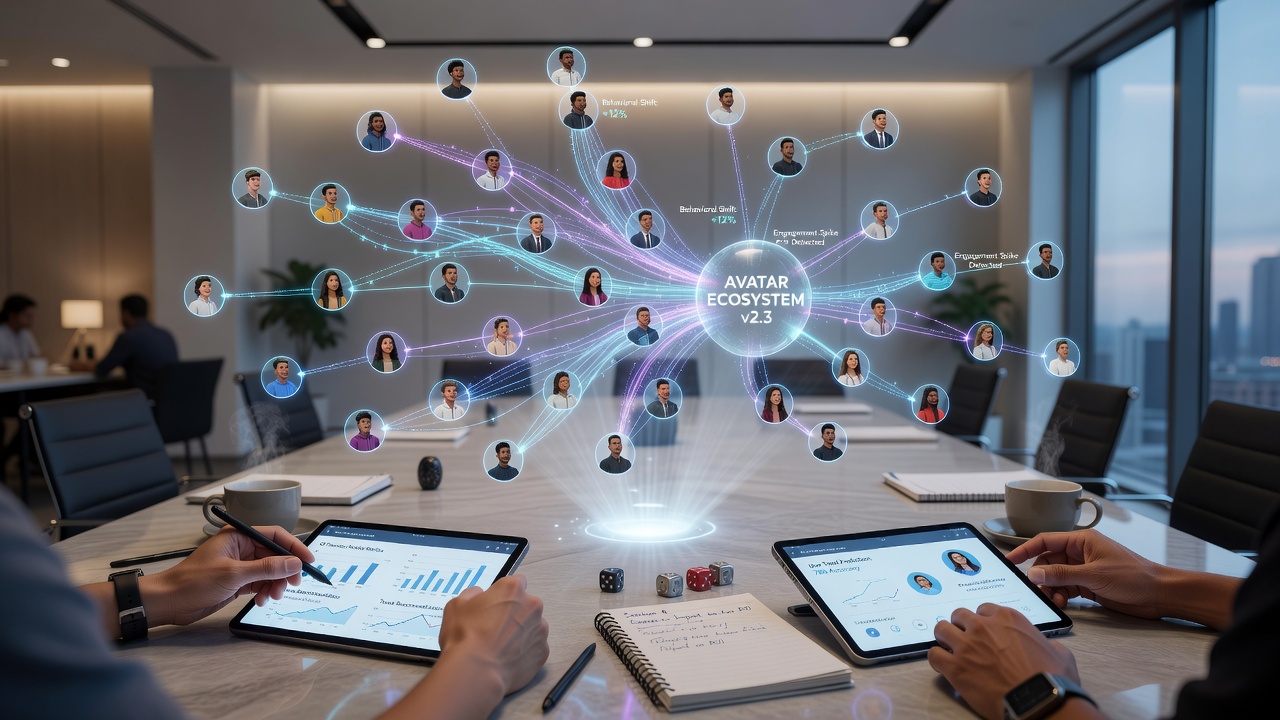
Avatar systems within mobile table applications and forecast platforms continue to evolve through layered updates that incorporate user interaction data, session length metrics, and behavioral patterns recorded across devices. These ecosystems operate in teh background, adjusting visual elements and notification cues that participants encounter during prolonged sessions involving card tables or athletic prediction interfaces. Data from industry reports shows that avatar modifications often align with time spent in active play, creating subtle shifts in how information appears on screen without direct user prompts.
Avatar Personalization Mechanisms in Mobile Environments
Developers integrate machine learning models into avatar frameworks that track variables such as bet frequency, session duration, and response times to interface elements. These models generate incremental changes to avatar expressions, clothing details, and background indicators that reflect aggregated trends from similar user profiles. Research conducted by the Alcohol and Gaming Commission of Ontario indicates that such adaptations occur in real time during extended mobile table sessions where participants engage with live dealer simulations or virtual poker environments. The changes remain understated yet provide visual markers that correlate with performance data collected over multiple hours.
Forecast applications apply parallel techniques by linking avatar states to prediction accuracy rates and historical wagering patterns. Avatars in these platforms display altered postures or accessory modifications when users review extended forecast sequences involving team statistics or event timelines. Observers note that these visual adjustments emerge after sustained interaction periods, typically exceeding ninety minutes, and draw from datasets compiled across regional user bases in North America and Europe.
Strategy Adjustments Influenced by Visual Ecosystem Shifts
Participants in mobile table sessions often modify their decision sequences when avatar elements update to reflect current session metrics. For instance, an avatar that transitions from neutral to alert positioning coincides with data points showing increased volatility in card distribution patterns. This alignment encourages users to reassess risk parameters without requiring separate analytics screens. Figures from the Nevada Gaming Control Board reveal that mobile table engagement metrics in early 2026 demonstrated measurable increases in session length when avatar cues incorporated real-time performance indicators.
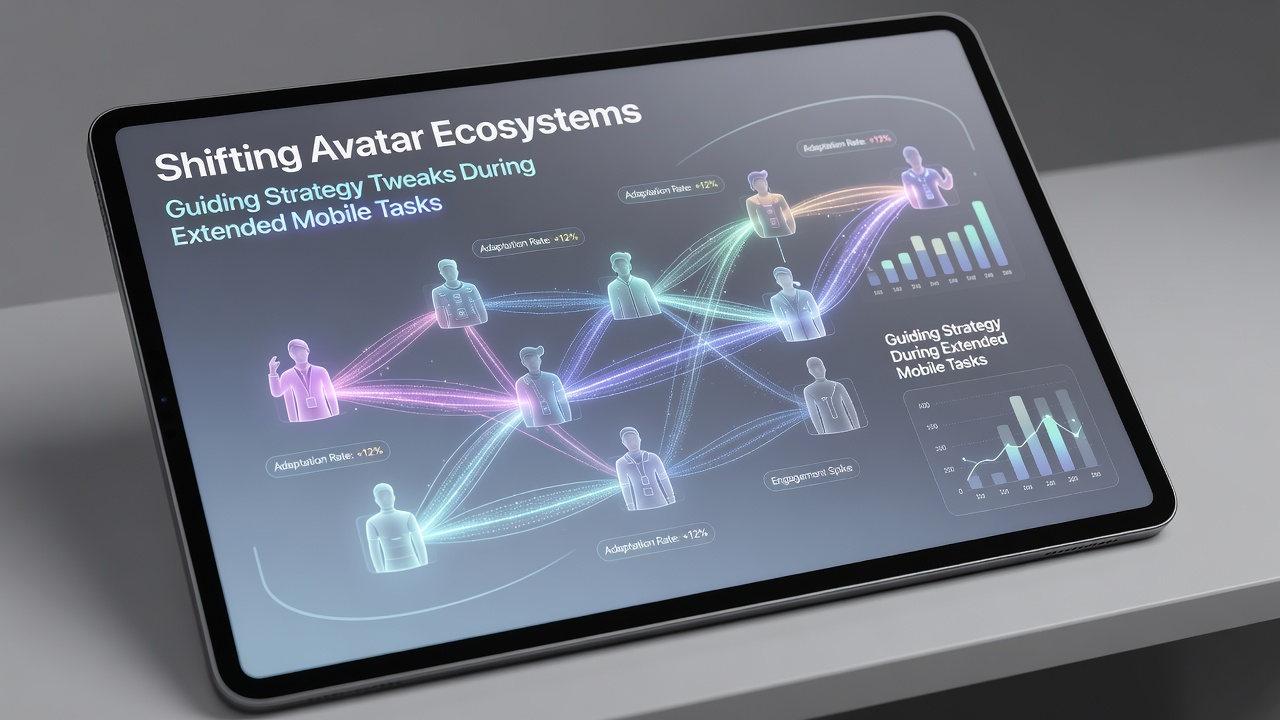
Similar dynamics appear in forecast apps where avatar ecosystems highlight shifts in prediction confidence levels through color gradients or accessory additions. Users who maintain extended viewing periods for upcoming athletic events receive these cues that correspond to updated probability models derived from live data feeds. The process operates quietly because the modifications integrate directly into the primary interface rather than appearing as standalone alerts. Studies from the University of Nevada, Las Vegas gaming research division document how these visual elements contribute to incremental strategy refinements during multi-hour sessions in June 2026.
Regional Data Patterns and Platform Integration Trends
Platforms operating across multiple jurisdictions compile avatar ecosystem data that reflects geographic variations in session behaviors. Australian users of table applications show distinct patterns in how avatar updates influence bet sizing adjustments compared to those recorded in Canadian markets. The Interactive Games and Entertainment Association reports that these differences stem from varying regulatory frameworks that shape data collection practices while maintaining consistent avatar functionality across borders. Integration occurs through shared cloud infrastructure that synchronizes avatar states between table and forecast modules on the same device.
Extended sessions in June 2026 highlighted how avatar ecosystems bridge table activities with forecast reviews. A user switching between poker simulations and sports prediction tools encounters avatar continuity that carries session history forward. This continuity supports strategy tweaks by maintaining visual consistency that links past decisions to current options. Data compiled by the Malta Gaming Authority demonstrates that platforms employing unified avatar systems recorded higher retention rates during cross-module transitions compared to those using isolated customization features.
Technical Infrastructure Supporting Quiet Guidance
Backend systems powering these avatar ecosystems rely on event-driven architectures that process inputs from touch gestures, time stamps, and outcome logs. Updates to avatar appearance trigger through threshold-based algorithms that activate after predefined session milestones. Developers calibrate these thresholds using anonymized datasets that exclude personal identifiers yet capture aggregate behavioral trends. The approach ensures that guidance remains embedded within the visual layer rather than requiring explicit user configuration steps.
Security protocols maintain data integrity across avatar updates by encrypting session variables before transmission to central servers. This infrastructure supports the quiet role of avatars by preventing disruptions during active table or forecast interactions. Participants experience seamless transitions where avatar changes reflect processed information without interrupting workflow.
Conclusion
Avatar ecosystems in mobile table and forecast applications function through integrated data processing that generates visual adjustments aligned with extended session dynamics. These systems draw from regional regulatory data and technical frameworks to deliver cues that correspond to performance indicators. Patterns observed in 2026 across multiple platforms illustrate how such ecosystems contribute to strategy refinements by embedding information within familiar interface elements. Continued development in this area centers on refining synchronization between table adn prediction modules while adhering to established data handling standards.