The Integration of Biometric Authentication in Ensuring Fair Play Across Digital Casino Interfaces and Sports Prediction Apps
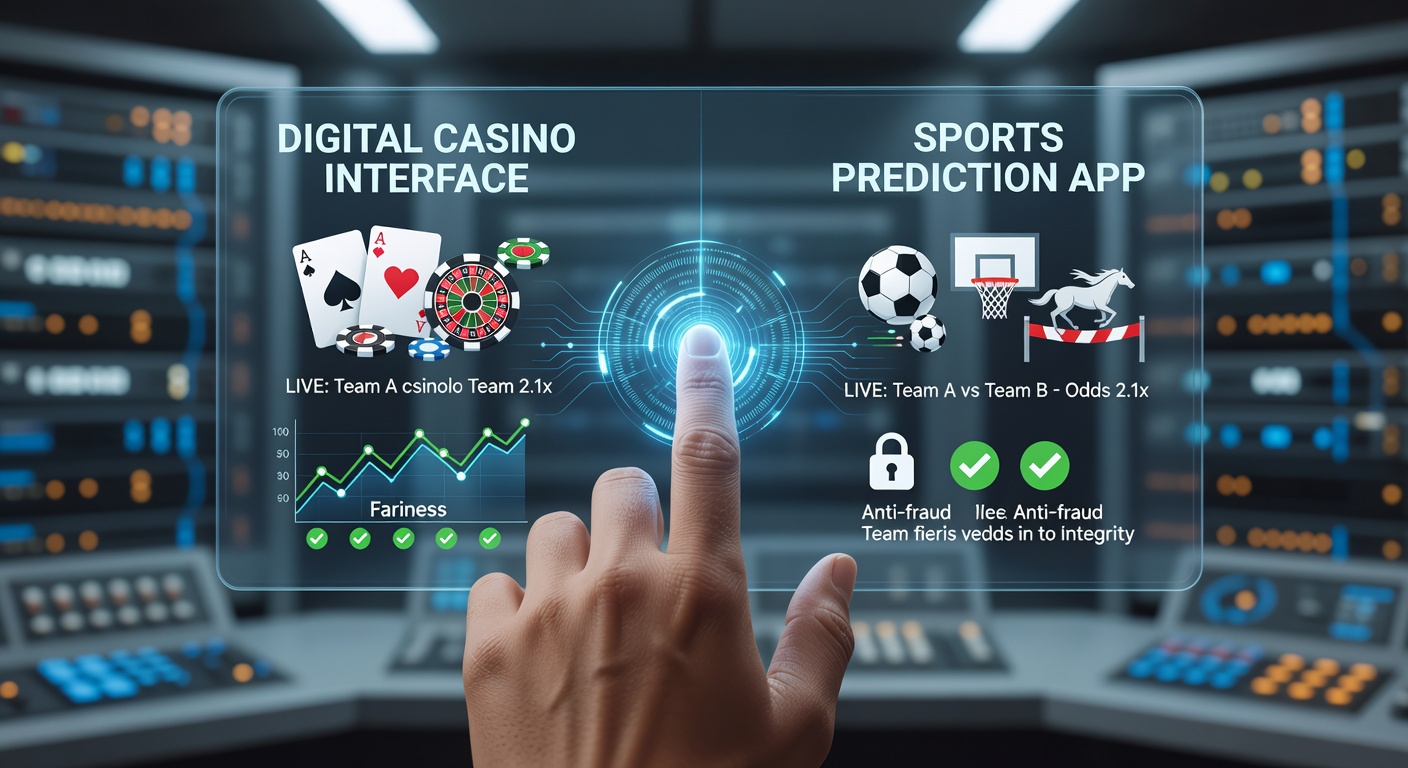
Digital casino interfaces and sports prediction apps have incorporated biometric authentication systems to verify user identities and maintain integrity across transactions and gameplay sessions, and these technologies include fingerprint scanning, facial recognition, and voice pattern analysis that operate through device sensors and cloud-based matching algorithms. Operators deploy these tools at login points, during deposit and withdrawal requests, and at random intervals throughout active sessions to confirm that the account holder remains the same person interacting with the platform.
Core Mechanisms Behind Biometric Verification
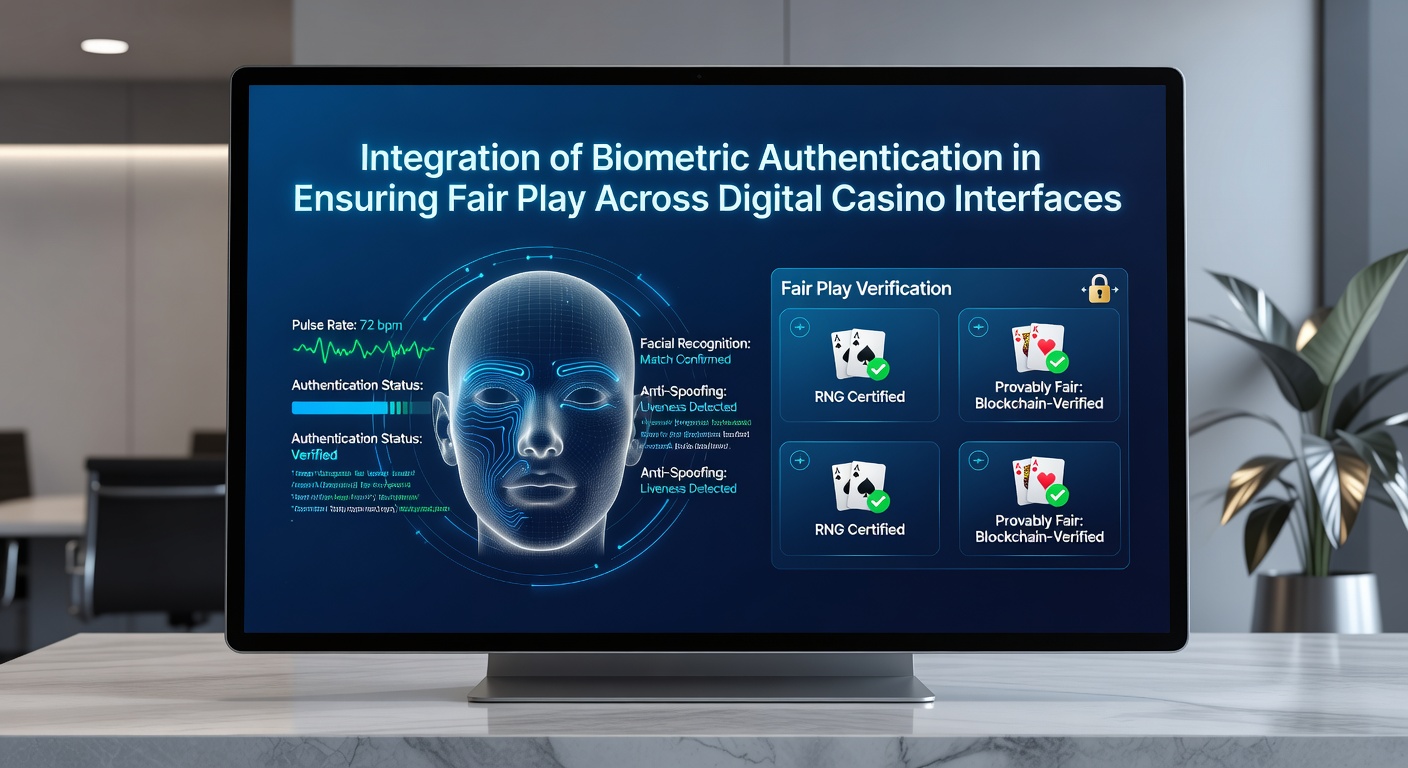
Systems capture biometric data during initial registration and convert it into encrypted templates that platforms store separately from raw images or recordings, while subsequent scans compare live inputs against those templates using machine learning models trained on diverse population datasets. Research from the University of Las Vegas indicates that facial recognition accuracy rates exceed 99 percent under controlled lighting conditions common to mobile device usage, and developers refine these models continuously to account for variations such as aging, facial hair changes, and eyewear adjustments. Sports prediction apps integrate the same processes to flag suspicious patterns like rapid location shifts or simultaneous logins from multiple devices, which helps identify potential proxy betting arrangements or account sharing that violates terms of service.
Applications in Casino Game Environments
Reel-based games and card tables on portable devices now require biometric confirmation before large wagers or bonus activations, and this step prevents automated scripts from exploiting promotional mechanics or from placing coordinated bets across multiple accounts controlled by one entity. Data collected by platforms shows reduced instances of multi-accounting after biometric rollout, with some operators reporting drops of over 40 percent in flagged suspicious activity within the first six months of implementation. Casino interfaces also use these checks during live dealer streams to ensure participants match their verified profiles, which supports regulatory requirements around responsible play and age restrictions without interrupting the flow of table games for most users.
Role in Sports Prediction and Betting Platforms
Prediction apps apply biometric gates at critical moments such as bet submission or odds changes to deter collusion between bettors and insiders, and these measures gained traction after several high-profile match-fixing investigations highlighted vulnerabilities in digital channels. By May 2026, multiple jurisdictions across North America and Europe had updated licensing frameworks to encourage or mandate such identity controls for operators handling significant sports wagering volume. Voice biometrics serve as an additional layer during customer support interactions related to disputed bets, allowing agents to confirm caller identity through speech patterns rather than relying solely on security questions that can be compromised through social engineering.
Regulatory Context and Industry Standards
According to figures released by the New Jersey Division of Gaming Enforcement, biometric adoption among licensed online operators correlated with fewer compliance violations tied to unauthorized access in 2025, and similar patterns appear in reports from iGaming Ontario. Industry groups such as the European Gaming and Betting Association have published guidelines that recommend template encryption standards and user consent protocols to align biometric practices with broader data protection rules, and these recommendations influence how platforms design their verification flows across both casino and sports verticals. Observers note that integration timelines vary by region because local laws differ on the storage of biometric information and on the frequency of required re-authentication.
Technical and Privacy Considerations
Platforms address potential spoofing attempts through liveness detection features that analyze micro-movements, depth mapping, and thermal signatures during scans, and these safeguards reduce successful presentation attacks involving photos, videos, or masks. Users who encounter repeated verification failures receive prompts to update their biometric profiles through secure in-app processes, which maintains access while preserving security thresholds. Studies conducted by academic teams at institutions in Australia and Canada have examined error rates across demographic groups and found that inclusive training data improves performance consistency, prompting several major providers to adopt updated models by early 2026.
Conclusion
Biometric authentication continues to expand within digital casino and sports prediction environments because it provides measurable improvements in identity assurance and activity monitoring, and ongoing refinements in sensor technology and algorithmic accuracy support wider deployment across global markets. Operators balance these capabilities against user experience demands by streamlining scan processes and offering fallback verification methods when needed, which keeps platforms accessible while meeting evolving compliance expectations.