The Quiet Mechanics of Seasonal Bonus Structures Aligning Wagering Caps with Voluntary Limit Tools in Cross-Platform Reel and Athletic Forecast Systems
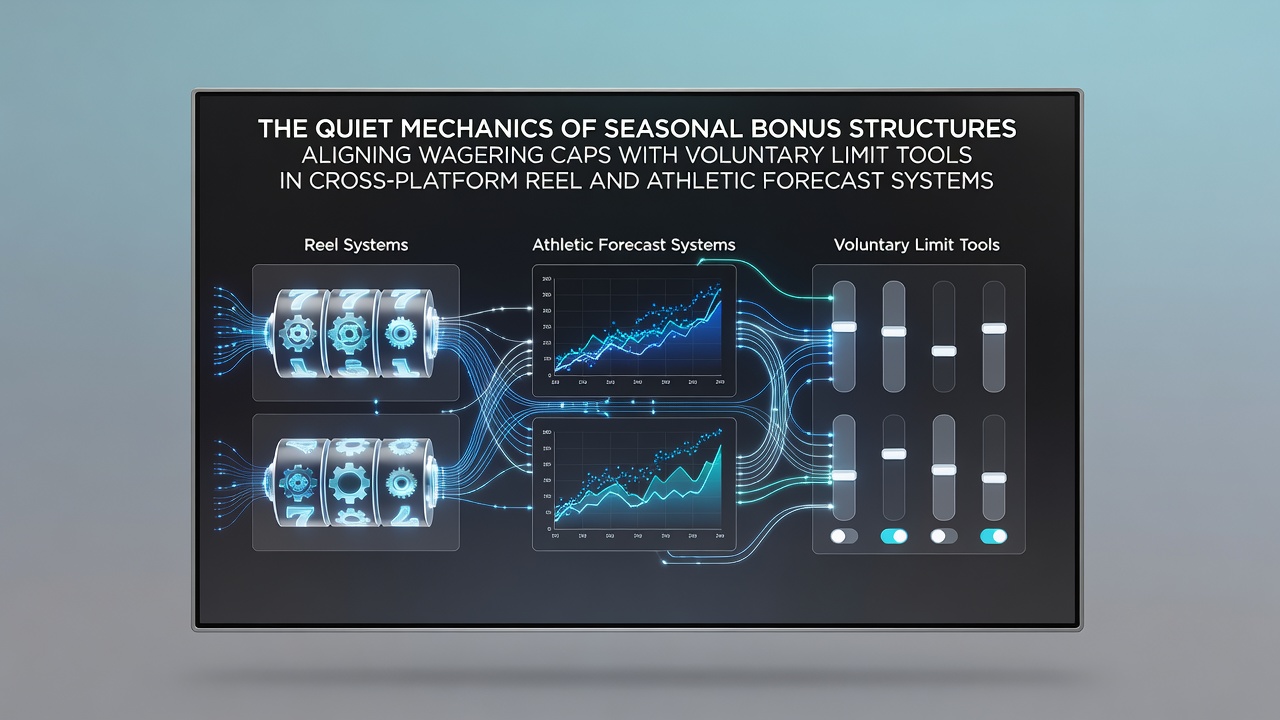
Seasonal bonus structures in digital gaming platforms operate through automated systems that tie promotional rewards directly to user-defined boundaries, and these mechanics have grown more precise as operators manage reel games alongside athletic forecast applications across multiple devices. Research from industry tracking services shows that operators adjust bonus eligibility windows, often quarterly or tied to events, so that wagering requirements remain capped at levels matching voluntary deposit or loss limits that players activate in their accounts.
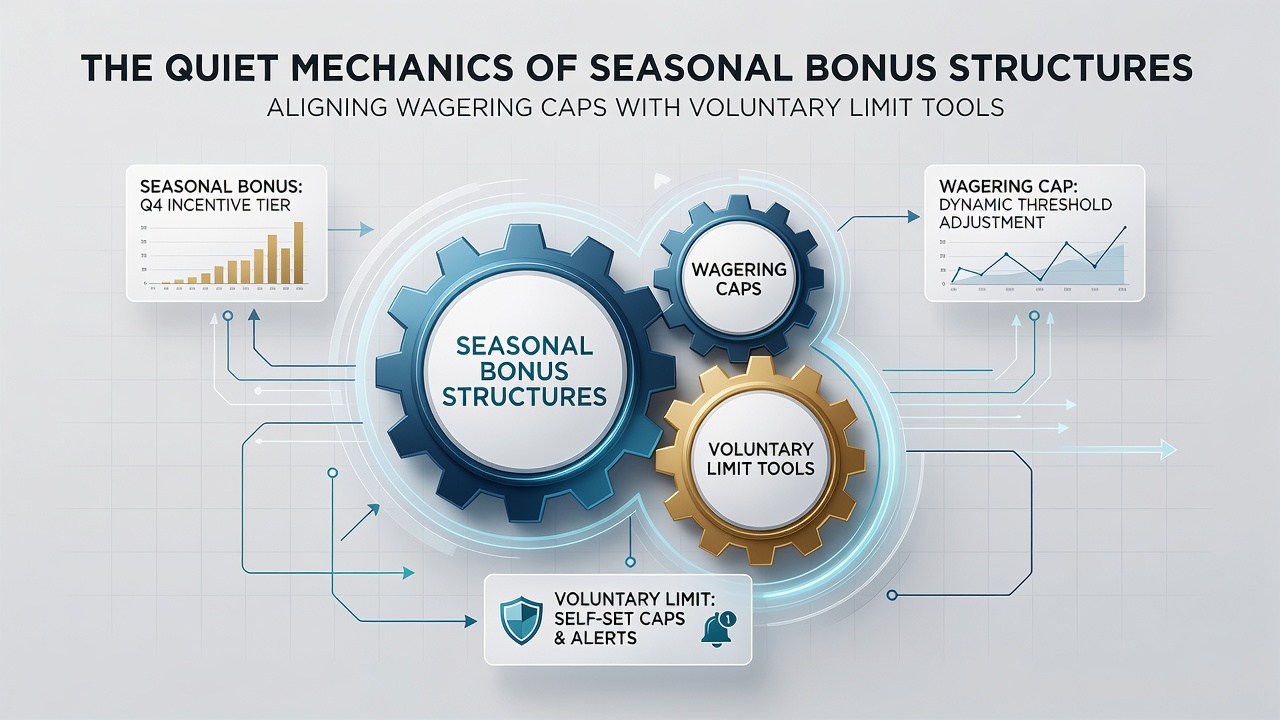
These caps function as internal governors that prevent bonus funds from exceeding preset thresholds, which means a player who sets a monthly loss limit of a certain amount sees the system automatically scale back bonus offers or wagering targets to stay within that boundary. Data indicates such alignments occur through backend APIs that sync across mobile, tablet, and desktop versions, ensuring consistency whether someone plays slots or places forecasts on athletic events.
Mechanics Behind Seasonal Adjustments
Operators calibrate seasonal bonuses by factoring in historical play data and current regulatory expectations, so that during peak periods like summer months the reward tiers incorporate stricter cap formulas. In July 2026 several platforms updated their bonus engines to reference real-time limit settings before issuing any promotional credits, which reduced instances where users exceeded their own voluntary thresholds while pursuing bonus-related play.
The process relies on rule-based algorithms that scan account profiles at the moment of bonus activation, then apply multipliers only up to the point where cumulative wagering would breach the chosen cap. Observers note that this approach keeps promotional activity compliant without requiring manual intervention from support teams in most cases.
Voluntary Limit Tools and Their Integration
Voluntary limit tools let users establish daily, weekly, or monthly boundaries on deposits, losses, or session time, and modern systems feed these inputs directly into bonus calculation modules. When a seasonal bonus structure activates, the platform cross-checks the active limits and either modifies the bonus value or blocks it if the projected wagering requirement would exceed the boundary. Evidence from platform audits reveals that this integration occurs in under two seconds for most transactions, allowing seamless user experiences while maintaining the cap alignment.
Those who study these systems point out that the same logic applies whether the activity involves reel spins or sports forecasts, since the backend treats both as wager-based events subject to the same limit checks. Updates rolled out in mid-2026 further refined timeout handling so that paused limits carry over correctly when users switch between platforms.
Cross-Platform Consistency and Data Flows
Cross-platform reel and athletic forecast systems maintain unified player profiles that carry limit settings and bonus history from one device to another, which prevents discrepancies that could otherwise arise during seasonal promotions. According to figures published by the American Gaming Association, synchronized data streams now cover more than 85 percent of major operators, allowing caps to remain active regardless of whether play occurs on a phone during commute hours or a desktop at home.
Engineers achieve this through standardized data packets that include current limit status, bonus eligibility flags, and seasonal adjustment coefficients. When a user moves from reel games to sports forecasts the system applies the same cap logic without resetting counters, preserving continuity across sessions.
Regulatory and Operational Context in 2026
Regulatory bodies in multiple regions have encouraged these technical alignments, with frameworks in place that reward operators who demonstrate proactive cap enforcement. Reports from the Responsible Gambling Council highlight that platforms adopting such mechanics recorded measurable drops in limit override requests during promotional windows. In July 2026 several jurisdictions noted increased adoption rates following software certification updates that tested cap-limit interactions under simulated load.
Operational teams monitor these systems through dashboards that flag any misalignment between bonus parameters and active voluntary tools, triggering reviews before broader rollout. This oversight keeps seasonal structures responsive to both player choices and external requirements without interrupting service.
Conclusion
The alignment of seasonal bonus structures with wagering caps and voluntary limit tools represents a coordinated layer of platform architecture that spans reel and athletic forecast environments. Through automated checks, synchronized profiles, and ongoing calibration, operators maintain boundaries that reflect user-set preferences while supporting promotional activity. Continued refinement of these mechanics supports consistent operation across devices and regulatory landscapes.